Chemical-physical treatment plants

Chemical-physical treatment plants:

Around 25 to 30 percent of all hazardous waste produced in Germany undergoes chemical-physical treatment. In this treatment process, hazardous substances are destroyed or converted into non-hazardous substances to enable subsequent recycling or treatment of this waste.

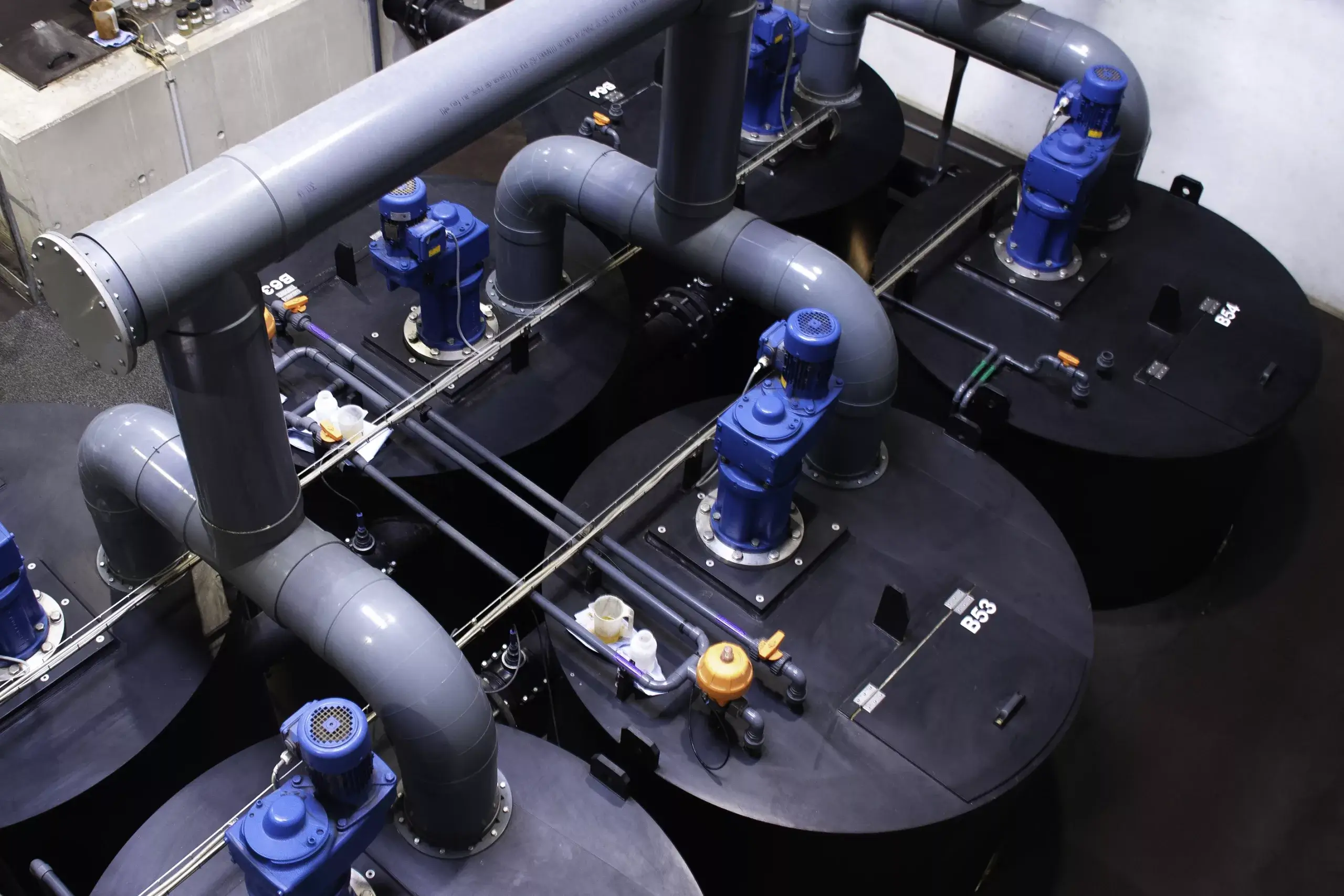
ZIMMERMANN operates chemical-physical treatment plants at three locations in Germany. These CP plants enable the treatment of liquid and aqueous waste containing inorganic and organic substances. After delivery, the liquid waste to be treated is examined in our laboratories. Here, the substances contained are identified and assigned to a treatment method. Proper treatment of the waste usually involves several successive process steps. These are determined on the basis of the composition of the waste, its reaction behavior and the desired treatment result.

The entire treatment process is controlled to ensure that the pollutants are converted or destroyed as completely as possible.

Zimmermann Group Logo Holding Weiss

Thanks to a patented treatment method, around 75% of dischargeable wastewater is recovered in this chemical-physical process at ZIMMERMANN and returned to the natural cycle.

The main aim of inorganic treatment is to detoxify toxic anions using wet chemistry, neutralize acids and alkalis, separate cations (especially heavy metals) by means of precipitation and flocculation reactions and dewater sludge. Any suspended particles can be removed in advance by sedimentation or filtration. This type of waste is mainly produced as waste water in the surface treatment of plastics and metals, in hydrometallurgy and as residues of thin/used acids and chemicals. Toxic substances such as heavy metals, chromates or cyanides are either oxidized or reduced, or immobilized and separated. After treatment, the sludge formed is dewatered in chamber filter presses. Organically contaminated filtrate is collected and can be further purified using activated carbon.

Part of the treatment can also be aimed at recovering precious and non-ferrous metals by electrolysis, ion exchange, crystallization or evaporation.

The discharged wastewater is returned to the natural cycle.

Waste that is sent for organic treatment essentially consists of water with admixtures of oils and greases, such as drilling and grinding emulsions, liquid oil-containing operating materials, residues from oil/petrol separators, oily cleaning wastewater and degreasing baths, but also includes paint and varnish waste or glue and adhesive residues.

The primary treatment objective is to obtain combustible residues in a form with the highest possible calorific value and to reduce the mass of waste to be landfilled. This results in the lowest possible emissions with maximum operational and accident safety.

The oil phase is separated from the water phase by emulsion splitting, evaporation or membrane filtration, acids or organic splitting agents for emulsions and sedimentation, decantation, flocculation, precipitation, flotation or light material separation for sludges.

The aqueous phase is post-treated in the chemical-physical treatment plant so that the resulting wastewater can be discharged into the municipal sewer system without causing any damage in accordance with the discharge limits.

The oil phase and the sludge phase are usually sent for thermal treatment or energy recovery.