Research & Development of the ZIMMERMANN Group
Develop and test new methods for wastewater and waste treatment
Systematically Further Develop Technical Solutions
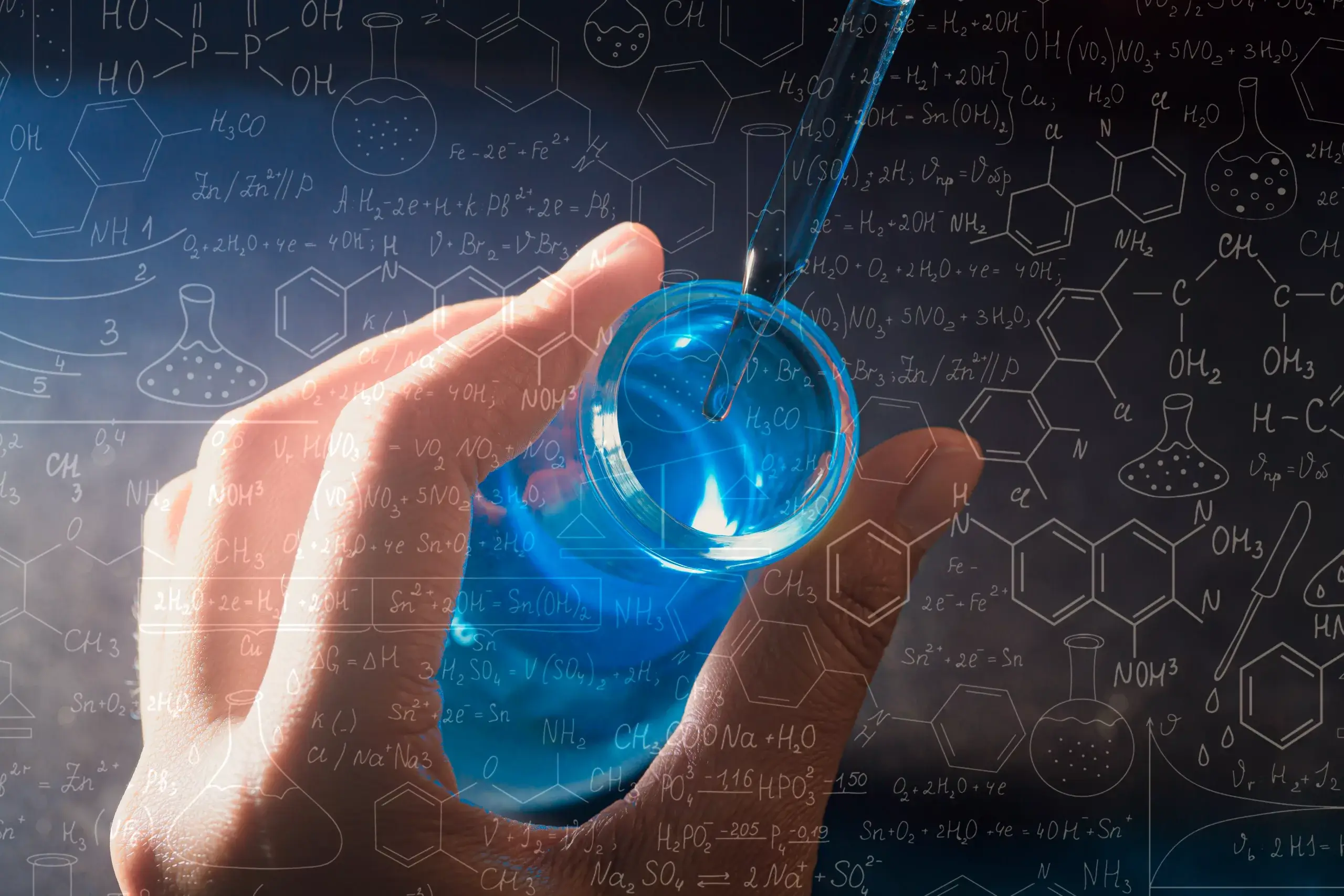
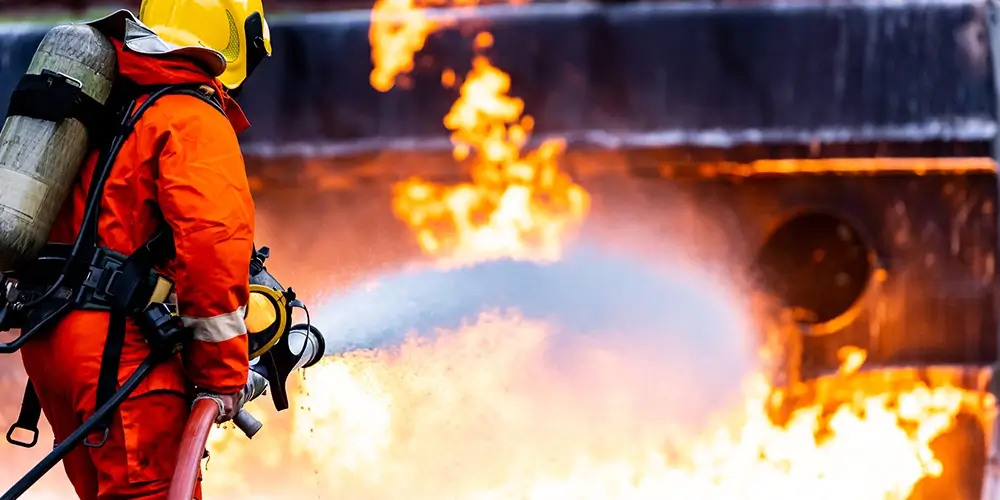
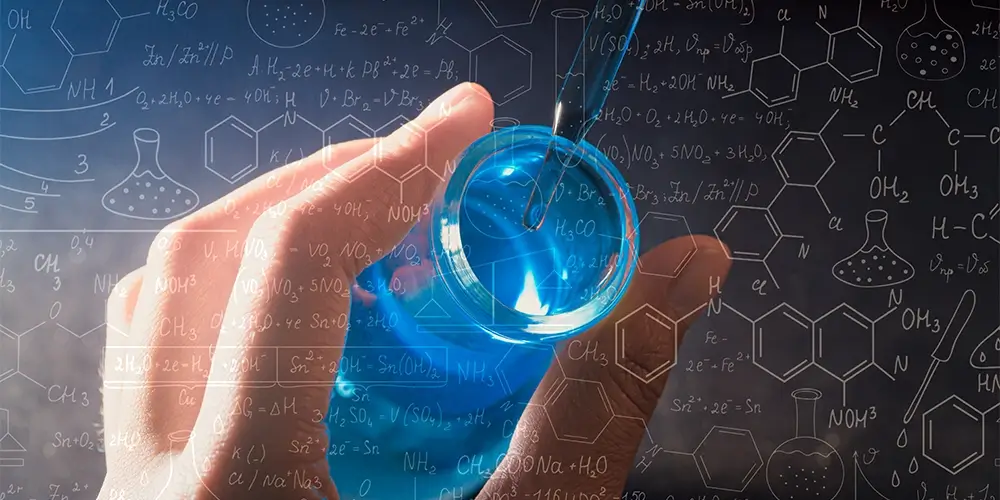
The ZIMMERMANN Group's research and development department is exploring new approaches to the treatment of wastewater and waste. The focus is on technical methods that can be used to further develop treatment processes, recover valuable materials, and integrate suitable recycling methods into existing or new process concepts.
Our research and development work includes, in particular:
- Analysis and Further Development of Treatment Processes
- Development and Testing of New Technologies
- Integration of appropriate recycling and recovery processes
- Investigation of new chemical, physical, thermal, membrane-based, and biological treatment methods
- Evaluation and Optimization of Technical Process Parameters
Minimum Liquid Discharge and Zero Liquid Discharge
We develop and investigate thermal, chemical, and membrane-based process concepts for Minimum Liquid Discharge (MLD) and Zero Liquid Discharge (ZLD). The goal is to reduce fresh water demand, recycle water within the process, and minimize liquid effluents, depending on the specific wastewater stream and technical conditions. The achievable recycling rates are evaluated for each individual application.
Recovery of Inorganic Recyclables
A key focus of our development work is on processes for recovering inorganic substances from suitable wastewater and waste streams. Among other substances, we are investigating phosphorus, sulfur, nitrogen compounds such as ammonia, and selected rare earth elements and metals, including nickel, manganese, and gallium. The technical feasibility and achievable recovery rates depend on the composition, concentration, and treatment path of the respective material stream.
Recovery and Use of Organic Components
In the field of organic material streams, our work includes azeotropic separation, the treatment of organic residues, anaerobic biological processes, and assessing whether suitable wastes can be used as energy sources or substitute fuels. The properties of the material stream and the applicable technical and legal requirements are key factors in this process.
High-Throughput Methods for Trace Substance Analysis
We are researching high-throughput screening (HTS) methods for the analysis of trace substances. The goal is to further develop analytical procedures and create additional data sets for monitoring and controlling processes in wastewater and waste treatment.
Our Team: Expertise Across Multiple Disciplines
Our team is made up of engineers, scientists, and technical specialists who work together. They bring expertise from various disciplines and experience in the development and evaluation of treatment processes.
Collaboration with Industry and Academia
We collaborate with locations within the ZIMMERMANN Group as well as with companies, research institutions, and universities. This exchange of expertise and joint development projects help us evaluate technical approaches and translate research findings into practical concepts.
Research and Development in Wastewater and Waste Treatment
Our research and development efforts focus on specific technical challenges in wastewater and waste treatment. This includes the further development of treatment processes, the recovery of usable materials, and the testing of new process combinations. Whether and to what extent resources can be recovered or process costs reduced is evaluated on a project-by-project basis and in relation to specific material flows.



Your Benefits in the ZIMMERMANN Network
Would you like to dispose of hazardous waste or have a substance evaluated for acceptability? Our team will review your request and work with you to determine the next steps for a professional and legally compliant treatment .
 ADR vehicles
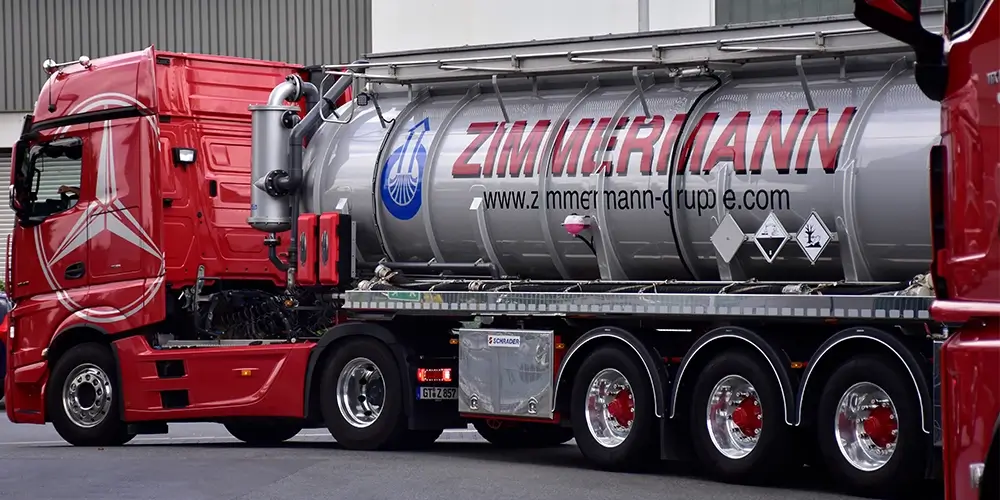
The ZIMMERMANN Group has 115 vehicles licensed to transport hazardous materials
 Plants
The ZIMMERMANN Group operates its own treatment facilities throughout Germany
 Employees
ZIMMERMANN employs over 700 people throughout Germany
 Locations
ZIMMERMANN currently has 10 locations in Germany
 Certificates
Certified specialty companies within the ZIMMERMANN Group
 Since 1962
ZIMMERMANN is a family-owned group of companies
 Treatment
The treatment is carried out at facilities and plants approved for this purpose
Topics on the “Research & Development” page