Material Recovery and Recycling of Hazardous Waste
Material Recovery of Suitable Hazardous Waste: ZIMMERMANN develops material-stream-based recycling solutions for industry and commerce.
Material Recovery: Recovering and Reusing Suitable Components
For certain types of hazardous waste, material recycling can make it possible to recover reusable components and put them to further use. Whether this is technically feasible, legally permissible, and economically viable depends on the specific material stream, its composition, and the intended recycling method.
The ZIMMERMANN Group develops material-stream-based solutions for the treatment, recovery, and recycling of hazardous waste. Analytical methods, plant engineering, and specialized processes form the foundation for evaluating potential disposal and recovery options on a case-by-case basis.
What does "material recycling" mean?
In material recovery, suitable waste is treated in such a way that its components can be recovered and reused. Depending on the material stream, components are separated, processed, or recycled. Provided the necessary technical, quality, and legal requirements are met, this can result in secondary raw materials or feedstocks for industrial processes.
Possible effects with suitable material flows:
- Reducing the use of primary raw materials in each specific application
- Reducing the amount of waste to be disposed of
- Reuse of suitable ingredients
- Support for material-stream-based recycling
- Record-keeping and documentation of the specified disposal or recycling route
Material-flow-based assessment instead of a blanket statement
Not all hazardous waste is suitable for material recovery. As early as the declaration and analysis stages, an assessment is made of which components can be recovered. Based on this, recovery strategies can be developed, and their technical suitability, legal admissibility, quality requirements, and economic conditions are evaluated for each specific material stream.
Processes for Different Waste Streams
Chemical-Physical Treatment
In chemical-physical treatment facilities, suitable and approved liquid hazardous wastes can be treated, and pollutants can be separated from recoverable components. Whether suitable substances can subsequently be returned to industrial processes is determined on a case-by-case basis.
Distillation and Solvent Recovery
The RCN Chemie specializes in the distillation, rectification, and processing of industrial solvents. Suitable contaminated solvents can be processed depending on their composition, process, specifications, quality, and legal requirements. Reuse as a secondary raw material requires that the requirements for the intended application be met.
Treatment of Other Hazardous Wastes
Depending on the material stream, recoverable components can be separated, processed, and made available for material recovery or further industrial applications. The type and extent of possible recovery depend on the composition, treatment methods, and legal requirements.
Treatment of Process Wastewater
For suitable industrial process wastewater, it is possible to assess whether components can be recovered or whether material streams can be recycled in the specific application. The assessment is based on the composition of the wastewater and the intended treatment and recovery pathway.
Possible Substances and Ingredients
Certain types of hazardous waste may contain components that can be recovered through material recycling, depending on their composition, the recycling process, quality, and legal requirements. Examples of material streams or components to be examined include:
- Solvents, such as acetone, ethanol, isopropanol, or xylene
- Aluminum oxide
- Refrigerant
- Automotive fluids
- Other chemical raw materials and valuable materials
Whether a recycled material or secondary raw material can be derived from a specific material stream and used for a particular purpose must be determined on a case-by-case basis. The key factors include, in particular, specifications, quality, intended use, and legal requirements.
Analytics as a Basis for Decision-Making
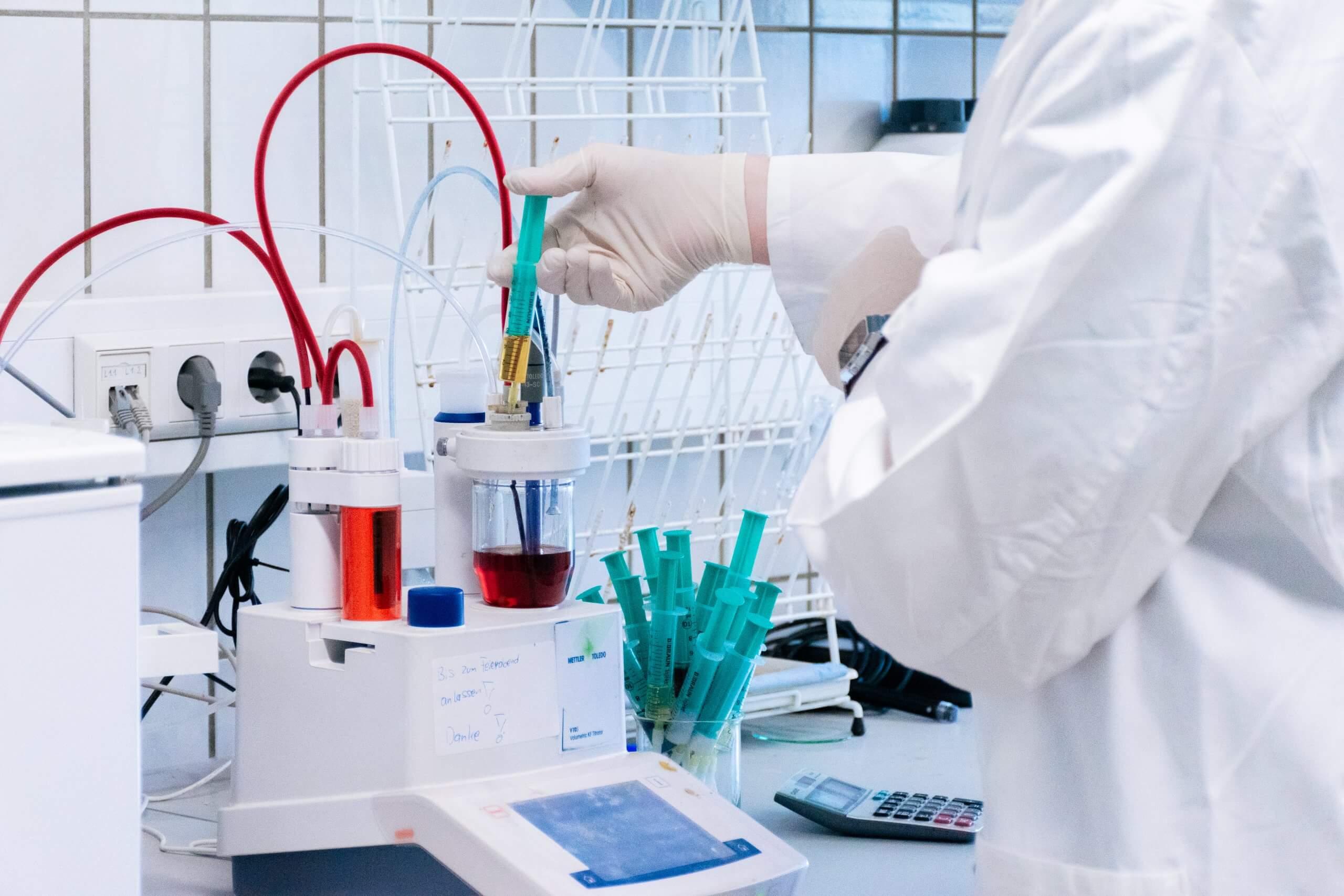
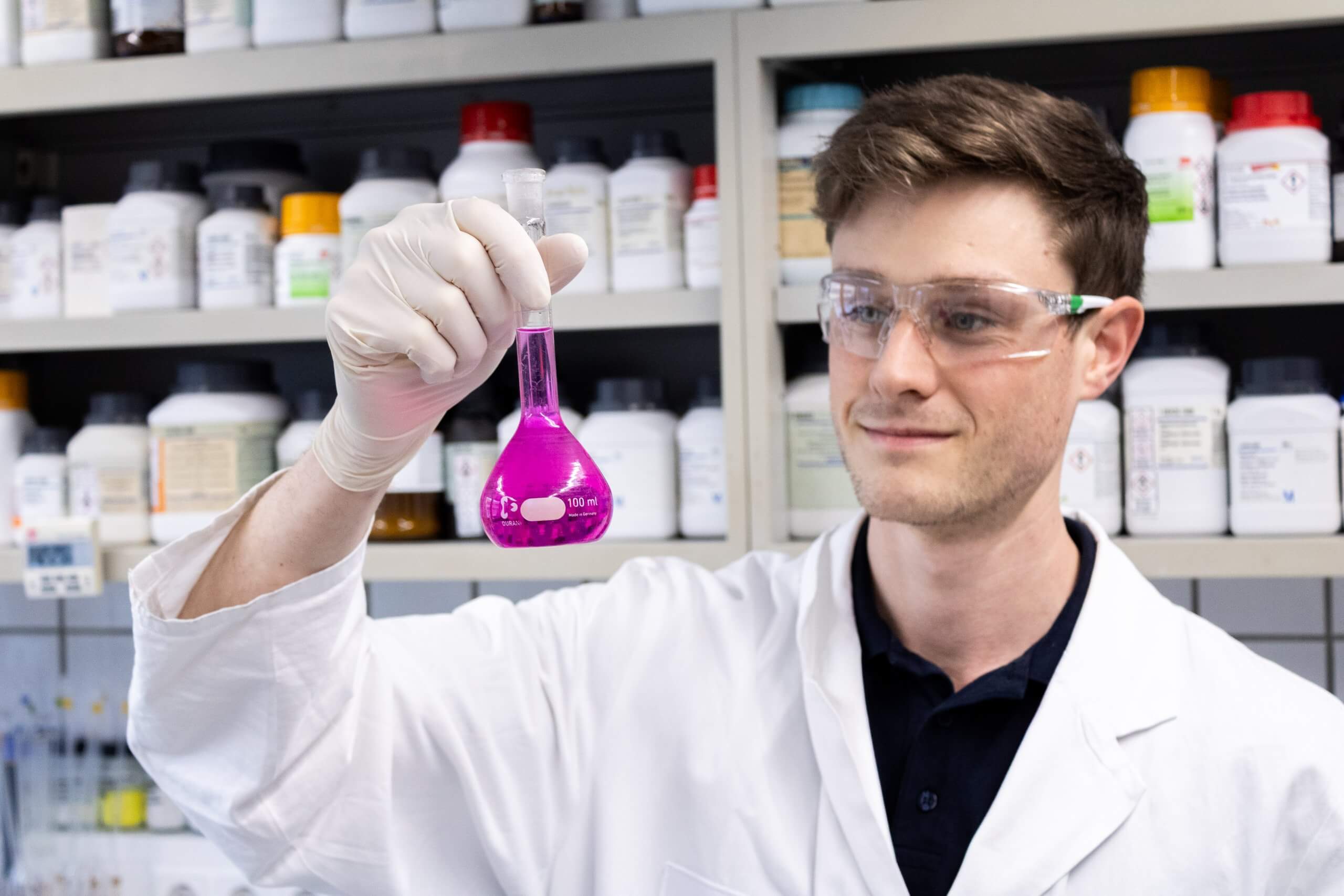
Selecting an appropriate disposal or recycling method begins with an analysis of the waste in question. Identifying and evaluating its composition provides the basis for assessing technical options, quality requirements, and legal and economic conditions.
Analytics is particularly helpful in the following areas:
- Identification of potentially recoverable components for material recovery
- Selection of Technically Suitable Methods
- Material-flow-based assessment of potential recovery or recycling rates
- Record-keeping and Documentation
- Determining the Disposal or Recycling Route
Industry-Specific Recycling Strategies
The ZIMMERMANN Group develops solutions for various industrial material streams. These may include, among other things, waste from the following sectors:
- Chemical Industry
- Paint and Coatings Industry
- Metalworking
- Automotive Industry
- Cosmetics Industry
- Surface Technology
- Adhesives Industry
- Energy Supply
The design of a recycling pathway depends on the specific material stream, the production process, and the technical, quality, and legal requirements.

Why the ZIMMERMANN Group?
Material Flow-Based Assessment
For each material stream, an assessment is conducted to determine whether and to what extent components can be technically recovered and legally reused.
Specialized Treatment Options
Specialized treatment and processing methods are available within the corporate group for suitable and approved hazardous waste.
Solvent Treatment
RCN Chemie operates specialized facilities for the distillation, rectification, and processing of industrial solvents.
Analysis and Documentation
Analyses and declarations form the basis for selecting and documenting a technically suitable and legally permissible disposal or recovery method.
Experience with challenging material streams
Since 1962, the ZIMMERMANN Group has been developing solutions for the treatment, recycling, and treatment of industrial waste and hazardous waste.
Frequently Asked Questions About Material Recovery and Recycling of Hazardous Waste
Yes. The ZIMMERMANN Group analyzes material flows and develops tailored concepts for treatment, recycling, or treatment in industrial and commercial settings.
Yes, provided that the material stream is suitable and the technical, quality, and legal requirements for processing and the intended use are met.
The analysis provides information on the composition of the waste. It serves as an essential basis for selecting and documenting a technically suitable and legally permissible process.
For suitable material streams, the reuse of recovered components can reduce the use of primary raw materials in the specific application. It is not possible to make a general statement without examining the specific material stream.
This can only be assessed on a material stream basis. Depending on their composition, solvents, chemicals, process wastewater, or other industrial material streams, for example, may be suitable for treatment.
In this process, suitable components of the waste are recovered and reused as raw materials. The specific processes that can be used depend on the particular material stream.


Your Benefits in the ZIMMERMANN Network
Would you like to dispose of hazardous waste or have a substance evaluated for acceptability? Our team will review your request and work with you to determine the next steps for a professional and legally compliant treatment .
 ADR vehicles
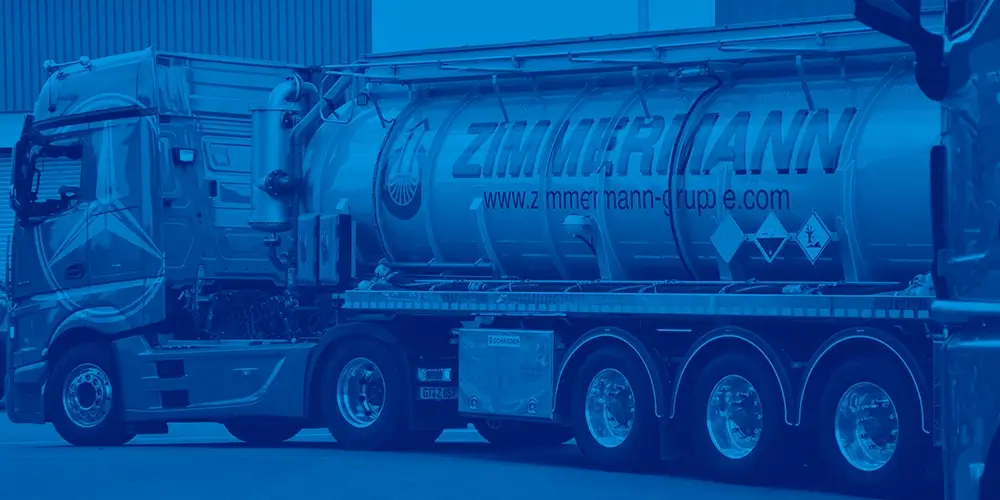
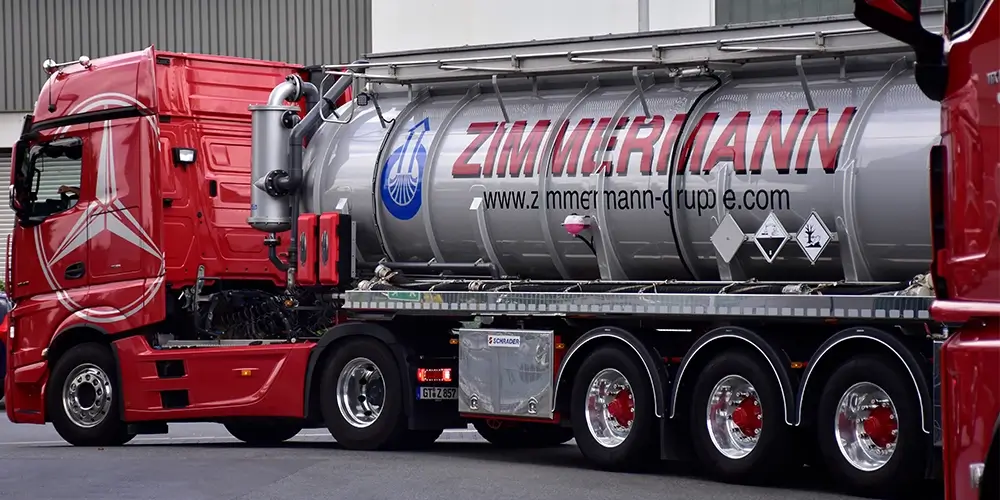
The ZIMMERMANN Group has 115 vehicles licensed to transport hazardous materials
 Plants
The ZIMMERMANN Group operates its own treatment facilities throughout Germany
 Employees
ZIMMERMANN employs over 700 people throughout Germany
 Locations
ZIMMERMANN currently has 10 locations in Germany
 Certificates
Certified specialty companies within the ZIMMERMANN Group
 Since 1962
ZIMMERMANN is a family-owned group of companies
 Treatment
The treatment is carried out at facilities and plants approved for this purpose
Topics on the “Material Recovery and Recycling of Hazardous Waste” page