Disposing of and Recycling Solvents
Disposing of or recycling solvents: RCN Chemie, part of the ZIMMERMANN Group, assists companies in evaluating suitable material streams as well as in distillation, rectification, and solvent recovery.
Professional Solutions for Used Solvents and Solvent Mixtures
Solvents are indispensable in numerous industrial processes. They are used, among other things, in the chemical industry, the paint and coatings industry, metalworking, the printing industry, and in cleaning processes. After use, contaminated solvents are produced, which are often classified as hazardous waste and must be handled properly.
The ZIMMERMANN Group offers companies nationwide solutions for the professional treatment , and recycling of solvents. In collaboration with RCN Chemie GmbH & Co. KG, the range of services includes the distillation, rectification, and recovery of suitable solvent streams. Contaminated individual solvents and solvent mixtures can be treated depending on their composition, level of contamination, and technical and legal requirements. If the recovered products meet the necessary specifications, they can be reused in industrial applications.
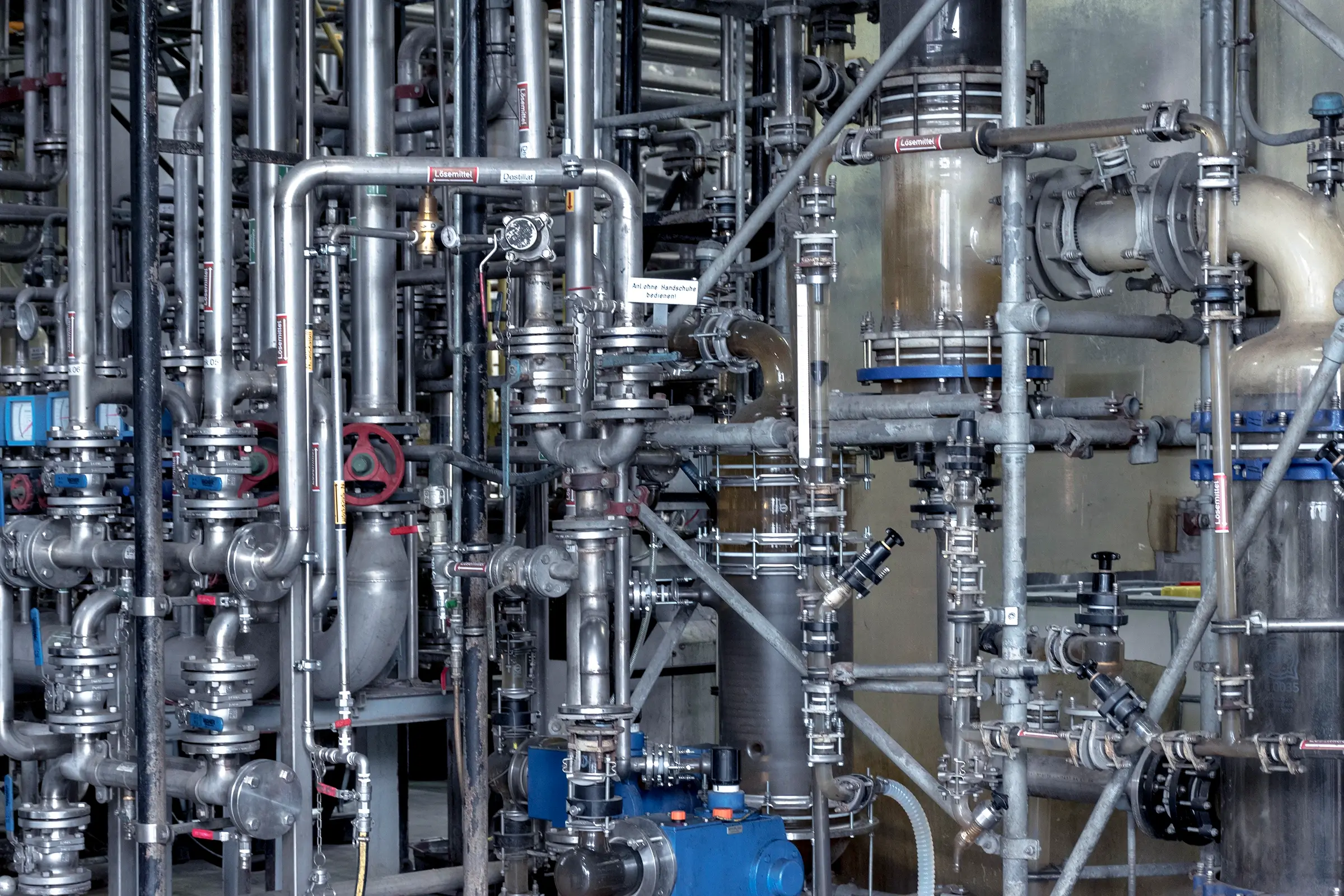
Recognizing Solvents as Valuable Raw Materials
Used solvents may contain recoverable components. Whether and to what extent recovery is possible depends primarily on the composition, contamination, quantity, and legal requirements.
-
The processing of suitable material streams can, in particular, help to:
- To reduce disposal costs
- to reduce the use of primary raw materials
- to recycle reusable components
- Supporting material cycles
- Using resources more efficiently
The ZIMMERMANN Group evaluates solvent streams to identify technically and legally viable options for material recovery. RCN Chemie processes suitable material streams into products that can be reused in industrial applications, provided they meet the required specifications.
Which solvents can be recycled and reused?
Depending on their composition and impurities, many solvents can be purified through distillation and rectification.
These include, for example:
- Acetone
- Ethanol
- Isopropanol
- Xylene
- halogen-free solvents
- halogenated solvents
- Solvent mixtures
- Cleaning and Washing Solvents
- Process solvents
- Production backlogs
Qualified staff review the respective material stream and evaluate technically, legally, and economically suitable disposal or recycling options.
Solvent Recycling Through Distillation
Distillation is an essential part of solvent recovery. In this process, contaminated solvents are treated under controlled conditions and separated from unwanted components.
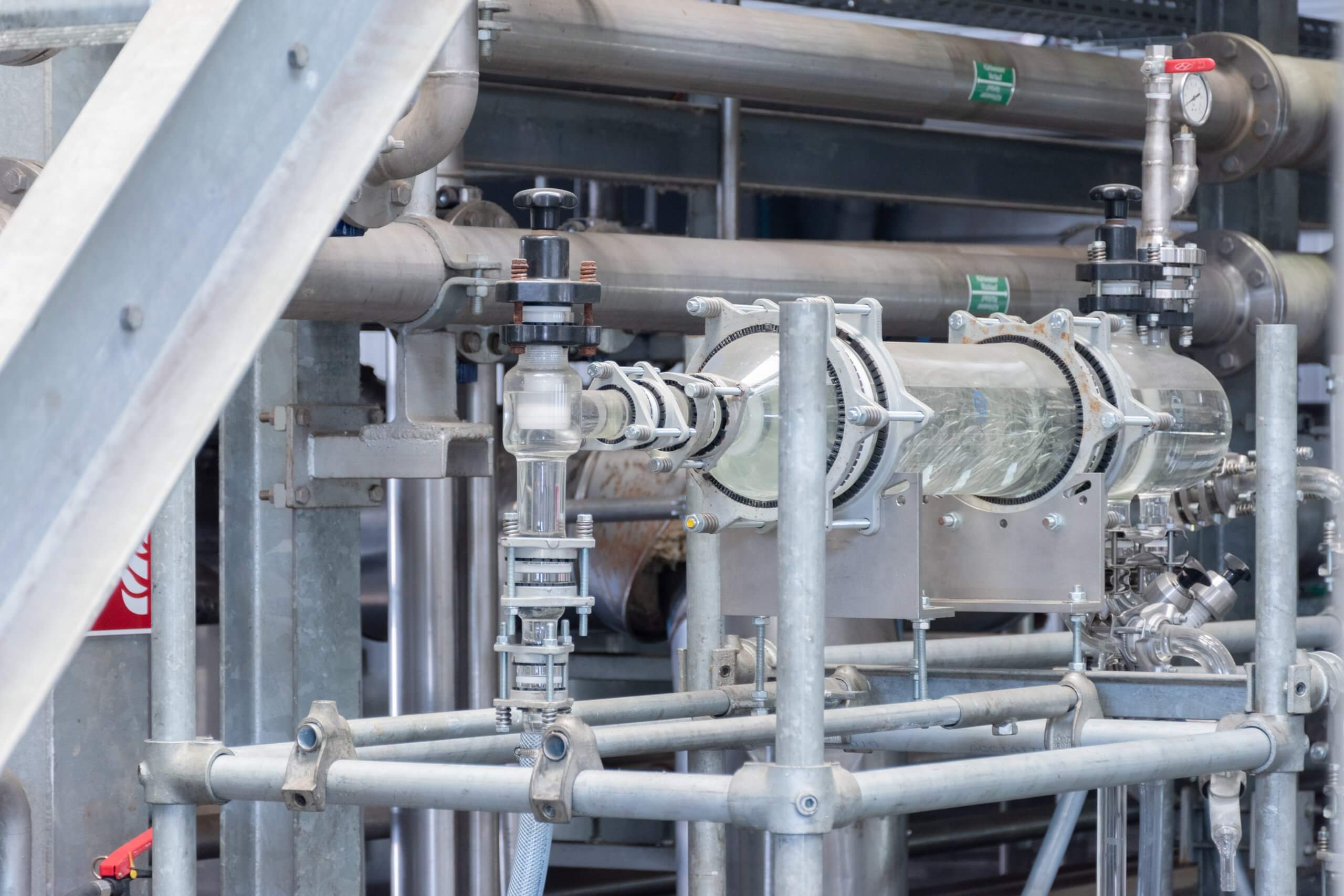
RCN Chemie GmbH & Co. KG operates distillation plants for the processing of industrial solvents. The distillates obtained through this process can be reused industrially, provided that application-specific quality and regulatory requirements are met. The appropriate process is determined based on the specific material flow.
The advantages of distillation:
- Recovery of Recyclable Components
- Recycling suitable solvents for reuse in industrial processes
- Reduction in Waste Generation
- potential reduction in the use of primary raw materials
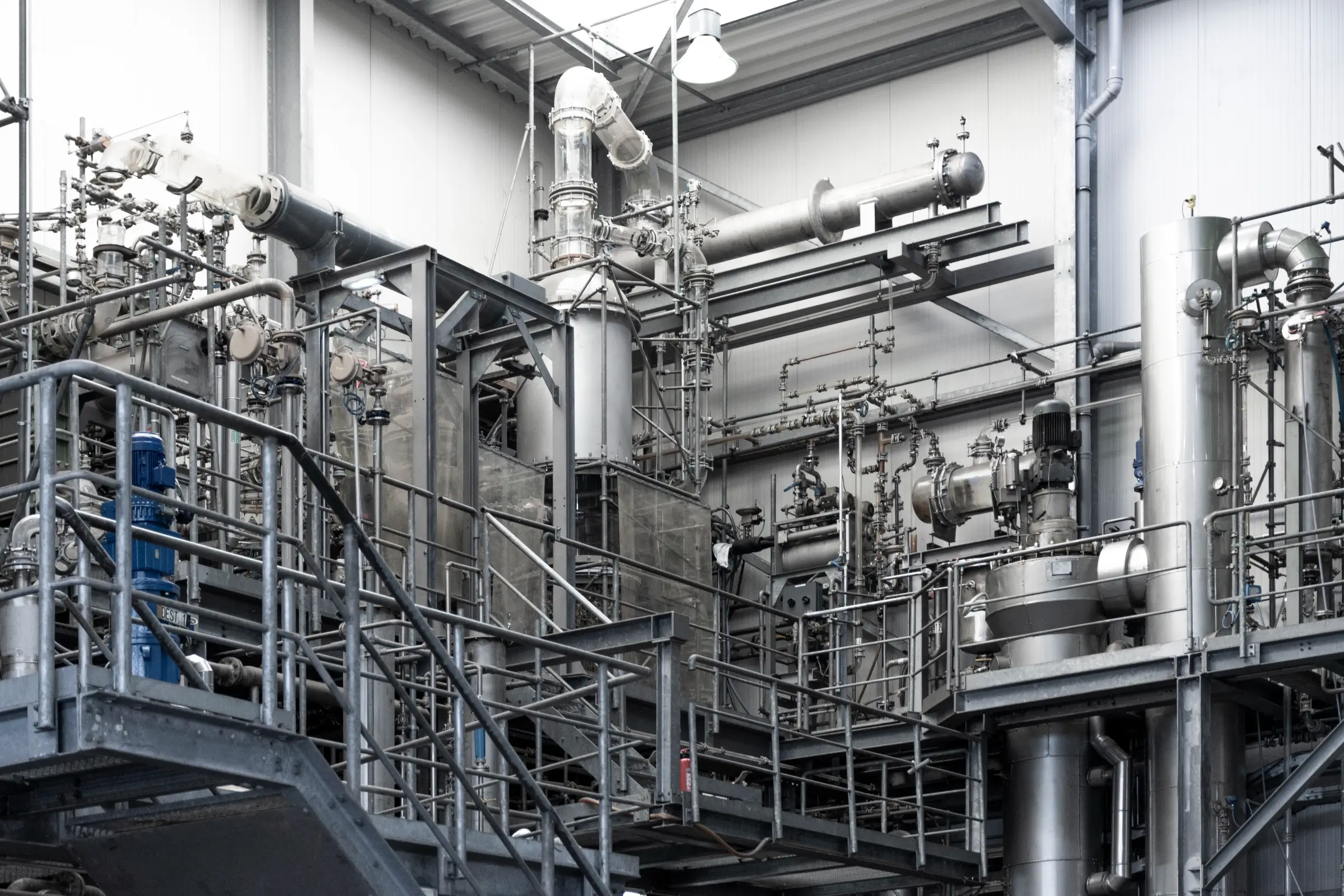
Rectification for Specific, Application-Based Purity Levels
In addition to distillation, RCN Chemie uses rectification units. This process is used to separate suitable mixtures and to manufacture products with specific, application-related purity levels.
Whether complex solvent mixtures can be processed by rectification is determined on a material-stream basis. The reuse of the recovered products in industrial applications requires that the necessary specifications and legal requirements be met.
Solvent Recycling Systems
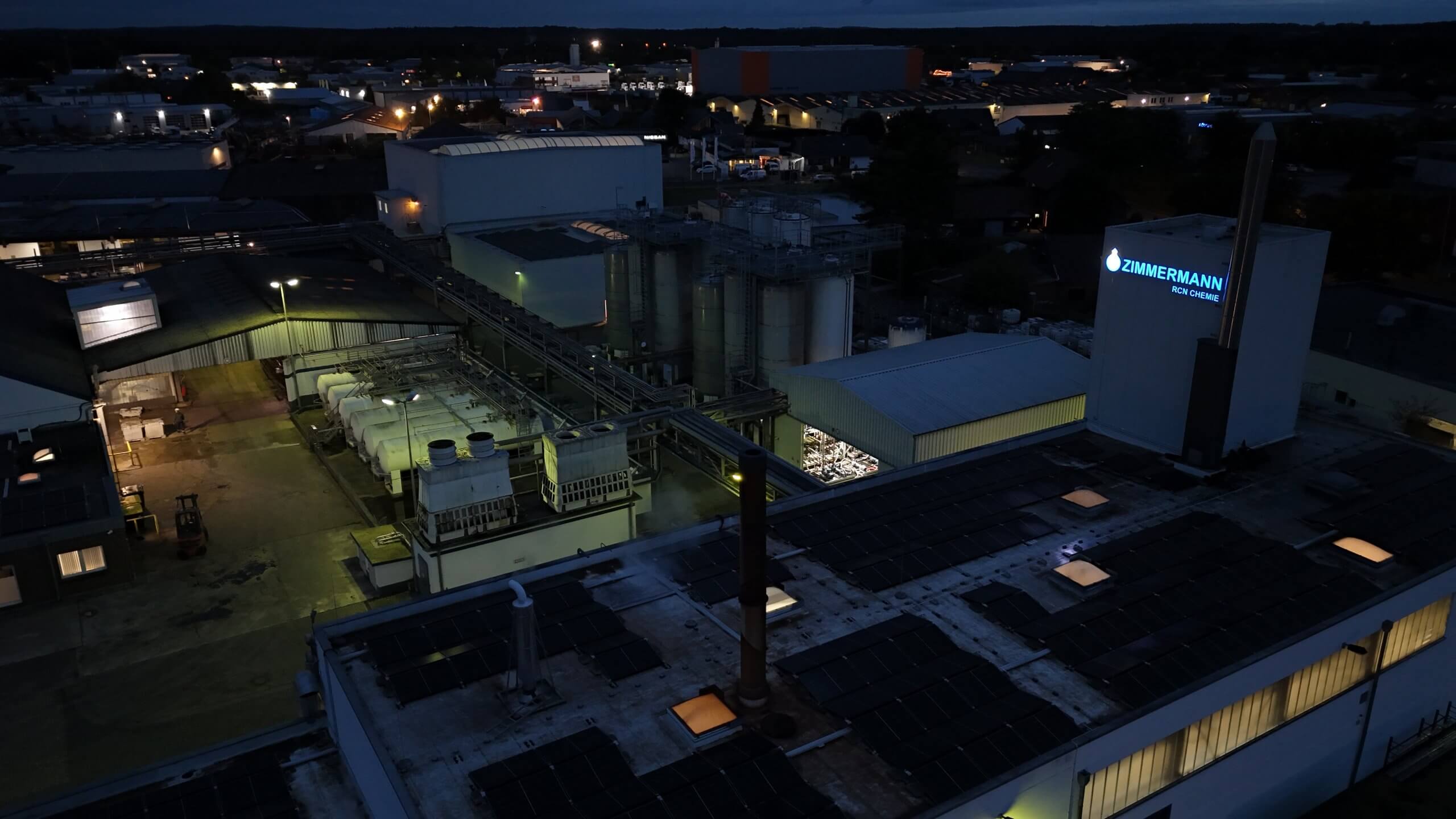
At its certified facility in Goch, RCN Chemie operates a total of 14 distillation and rectification plants. The focus is on the recovery of secondary raw materials and the development of recycling processes for suitable material streams.
Specializations include:
- Recycling of Halogenated Solvents
- Recycling of Halogen-Free Solvents
- Treatment of Solvent Mixtures
- Recycling of Refrigerants
- Recycling of Automotive Fluids
- Processing of Alumina and Clay
This allows for the testing of various industrial material streams and, where technically and legally feasible, their processing.
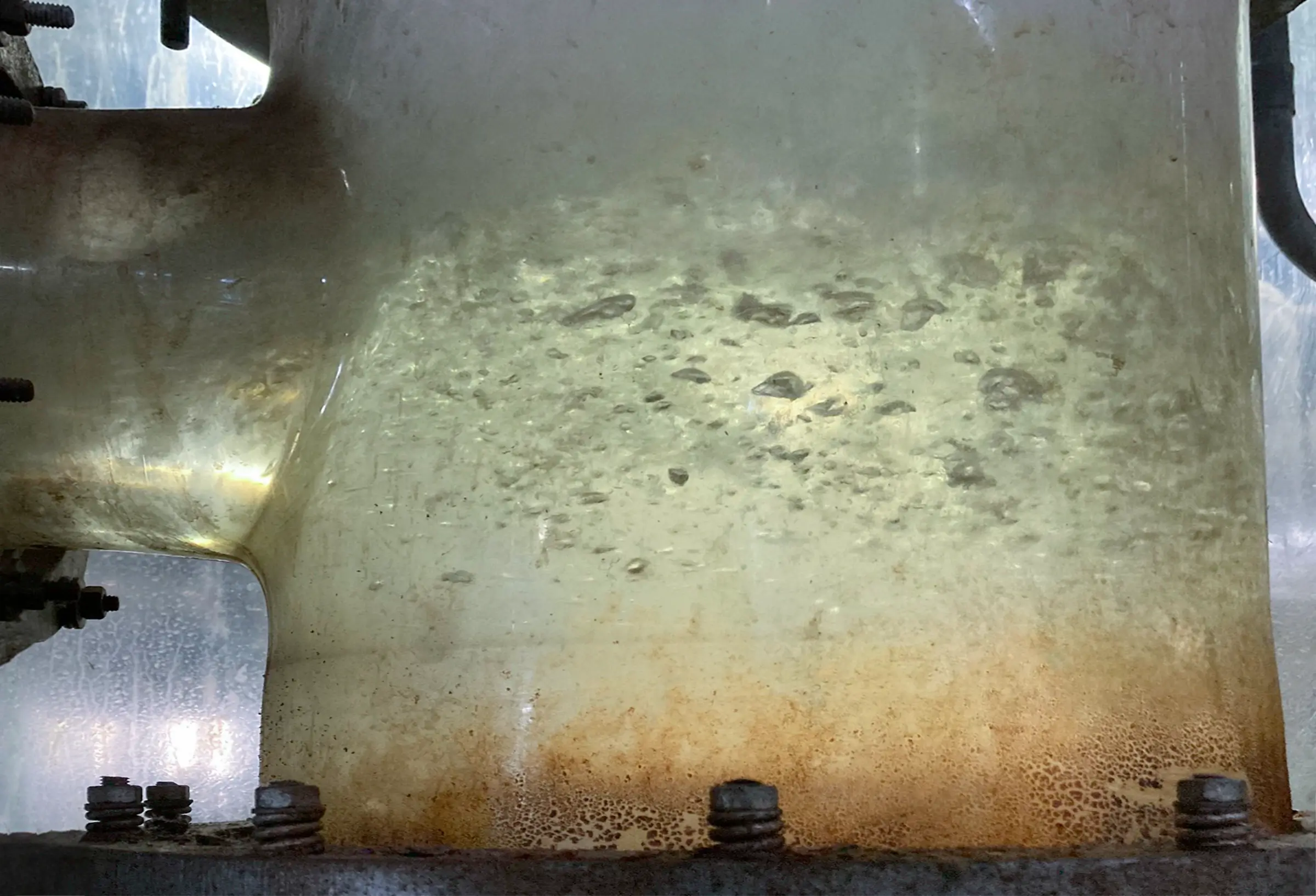
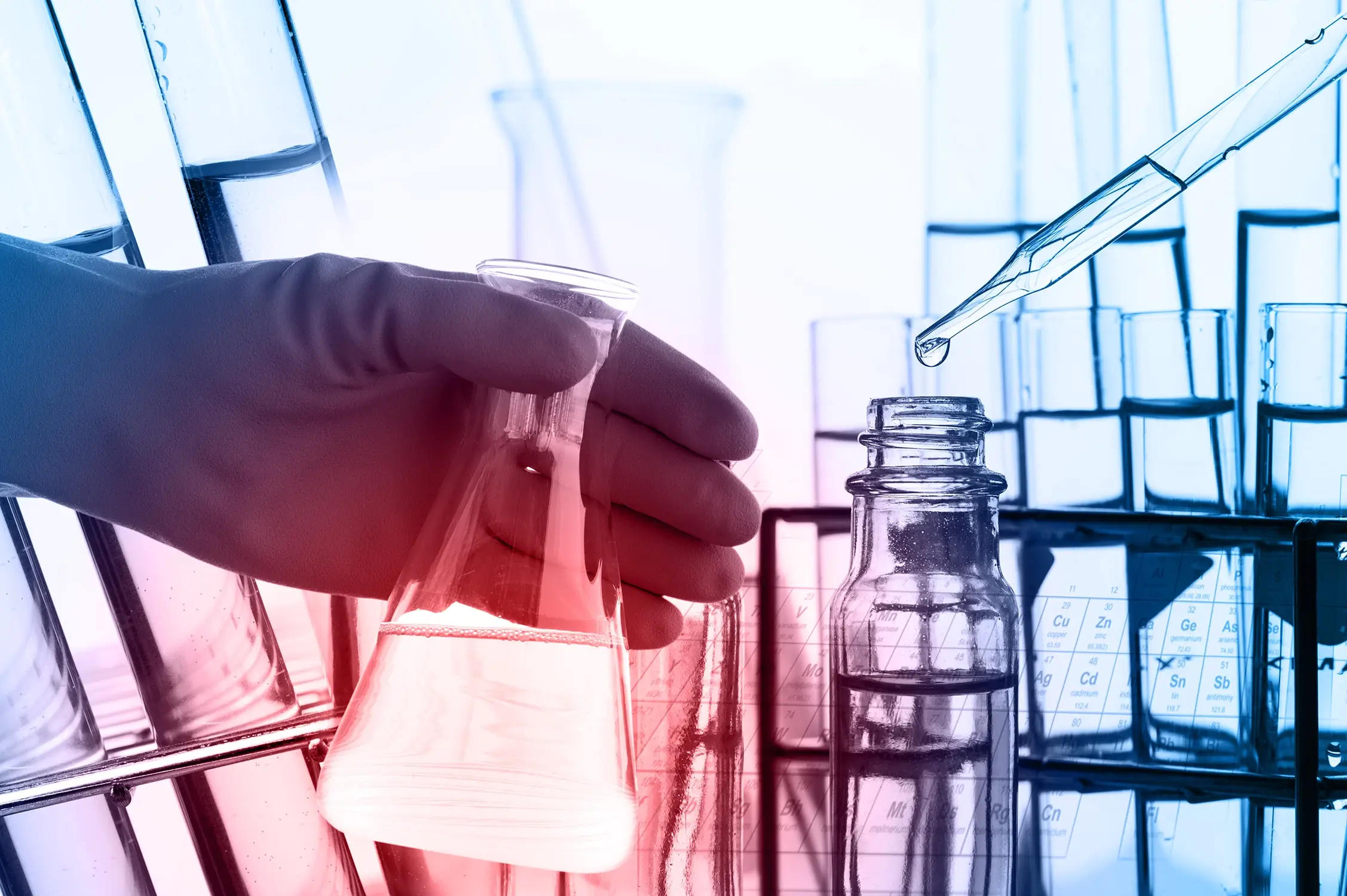
Processing of suitable solvents for further material reuse
With appropriate solvent streams, usable components can be recovered and processed for reuse in industrial applications.
The ZIMMERMANN Group assesses whether recoverable components can be technically and legally repurposed for further material use. This assessment is based, among other things, on analytical testing, suitable distillation and rectification processes, and the available plant technology.
Possible processed products include, for example:
- Acetone
- Ethanol
- Isopropanol
- Xylene
- other solvents
Why the ZIMMERMANN Group?
Experience in the distillation and rectification of industrial solvents
14 distillation and rectification units at the Goch site—controlled distillation processes for the separation and processing of suitable solvent mixtures.
Material Recovery of Suitable Solvent Streams
If the solvent streams are suitable, material recovery is possible in accordance with the applicable legal and regulatory requirements. The type and extent of recovery depend, in particular, on the composition and contamination of the respective material stream.
In-House Analytics and Expertise
Substance-specific assessment forms the basis for technically, legally, and economically sound disposal or recycling strategies.
Contract Distillation for Industrial Customers
Recycled solvents can be reused in the production process, provided they meet the necessary specifications and legal requirements.
Circular Economy in Practice
We recycle suitable solvent waste and enable the recovered products to be reused in industrial applications, provided that the necessary quality and legal requirements are met.
Frequently Asked Questions About Solvent Disposal
Yes. Depending on the order, the corporate group arranges for pickup, the transport of hazardous materials, analysis, and an appropriate recycling or disposal method.
These include, for example, the chemical, paint, and coatings industries; metal processing; the automotive sector; and other companies that use solvent-based processes.
For suitable material streams, the recovery of reusable components can help reduce waste volumes and the demand for primary raw materials.
Depending on the application, specifications, and legal requirements, recycled solvents can be used as an alternative to newly manufactured solvents.
In contract distillation, suitable used solvents are processed on a contract basis. The resulting distillate is returned, provided that the agreed-upon specifications and legal requirements are met.
Whether halogen-free or halogen-containing solvents, as well as solvent mixtures, can be recycled depends primarily on their composition, impurities, and the technical and legal requirements.


Your Benefits in the ZIMMERMANN Network
Would you like to dispose of hazardous waste or have a substance evaluated for acceptability? Our team will review your request and work with you to determine the next steps for a professional and legally compliant treatment .
 ADR vehicles
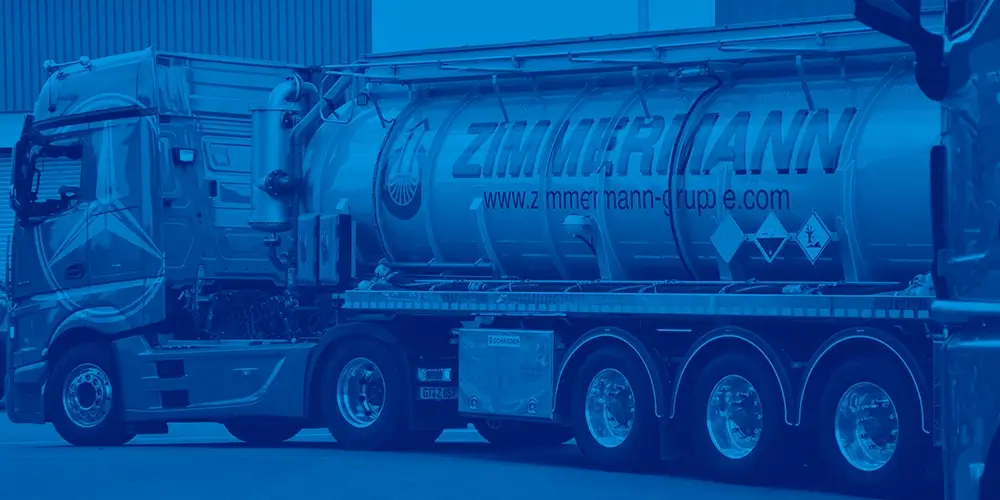
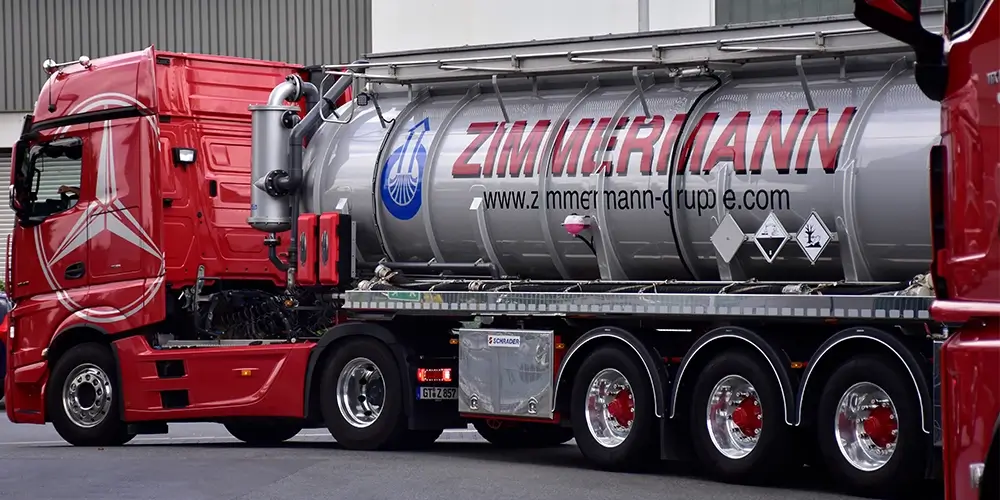
The ZIMMERMANN Group has 115 vehicles licensed to transport hazardous materials
 Plants
The ZIMMERMANN Group operates its own treatment facilities throughout Germany
 Employees
ZIMMERMANN employs over 700 people throughout Germany
 Locations
ZIMMERMANN currently has 10 locations in Germany
 Certificates
Certified specialty companies within the ZIMMERMANN Group
 Since 1962
ZIMMERMANN is a family-owned group of companies
 Treatment
The treatment is carried out at facilities and plants approved for this purpose
Topics on the "Disposing of and Recycling Solvents" page